



As the Iran Israel War 2026 rages into its second week, the Middle East faces unprecedented turmoil with US-Israeli airstrikes pounding Tehran and other Iranian targets, while Iran launches retaliatory missile and drone attacks across Israel, Gulf states, and US bases in the region.
This escalating Iran conflict has triggered massive explosions in Tehran, surging global oil prices, threats to the Strait of Hormuz, and fears of a wider regional war involving proxies like Hezbollah. Amid this chaos, Pakistan stands at a critical crossroads due to its nuclear-armed status, strategic location bordering Iran, deep alliances with Saudi Arabia (including the 2025 Strategic Mutual Defence Agreement), and close ties with China via the CPEC. With potential fuel shortages, security risks along its western border, and diplomatic pressures mounting, Pakistan’s role in navigating these rising Middle East tensions and global power rivalry has never been more vital. National unity, responsible citizenship, and strategic deterrence remain Pakistan’s strongest shields in this uncertain era.
Watch full video analysis: Iran Israel War 2026 & Pakistan’s Role
Table of Contents
- The Current Global Situation: Rising Tensions and Regional Conflicts
- Why Pakistan Holds Strategic Importance in Global Politics
- Pakistan’s Nuclear Deterrence and Defense Capabilities
- Pakistan’s Foreign Policy and Regional Alliances
- The Hidden Threat: Internal Division and National Weakness
- The Role of Pakistani Citizens in Strengthening the Nation
- Pakistan’s Geopolitical Importance in the Region
- Why National Unity Is Pakistan’s Greatest Strength
- Conclusion: A Strong Nation Stands Together
- FAQs
The Current Global Situation: Rising Tensions and Regional Conflicts
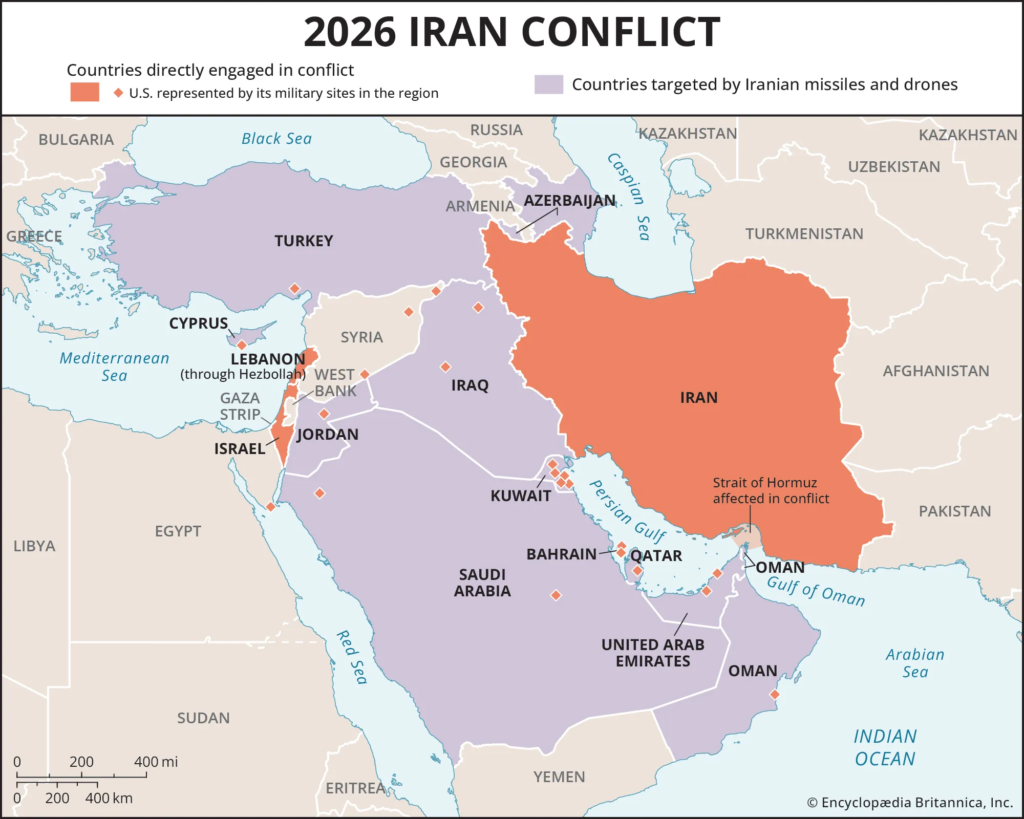
The iran israel war 2026 has escalated dramatically, with US-Israeli strikes targeting Tehran and other key Iranian sites, resulting in over 1,000 deaths and massive explosions across the capital. Iran has retaliated with missile and drone attacks on Israel, Gulf states like Saudi Arabia and the UAE, and even US bases in the region. This conflict, which began on February 28, 2026, with the assassination of Iran’s Supreme Leader Ayatollah Ali Khamenei, has now entered its eighth day, causing oil prices to surge and global supply chains to falter.
Middle East tensions are at a boiling point, with Iran striking targets in Syria, Lebanon, and the Gulf, while US and Israeli forces aim to dismantle Iran’s ballistic missile capabilities. The Strait of Hormuz, a critical chokepoint for oil, is under threat, exacerbating fuel shortages worldwide, including in Pakistan.
see Latest updates on US-Israeli strikes on Iran by al-jazeera
The Iran conflict has drawn in proxies like Hezbollah and heightened risks of a broader war, with Russia reportedly providing intelligence to Iran.
Global power rivalry is intensifying, as the US demands Iran’s unconditional surrender, while China and Russia criticize the aggression. This has ripple effects on economies, with 92,000 US jobs lost due to oil price spikes.
The recent escalation between global powers and Iran has increased instability across the Middle East and raised concerns about wider regional conflict.
Why Pakistan Holds Strategic Importance in Global Politics
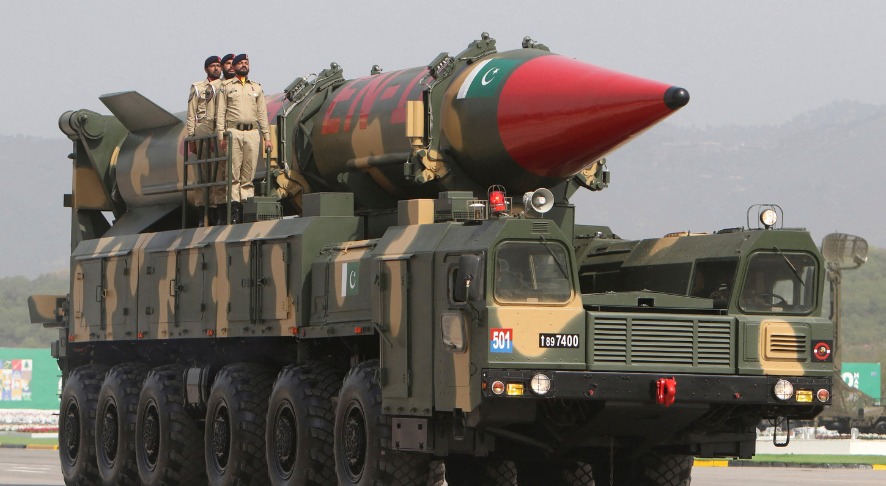
Pakistan’s nuclear power status as the only Muslim-majority nation with atomic weapons positions it as a key player in global security.
Its geographic position, bordering Iran, Afghanistan, and China, makes it a bridge between South Asia and the Middle East.
Pakistan wields significant Muslim world influence through organizations like the OIC and alliances with Turkey and Saudi Arabia.
With a population size exceeding 250 million, it has substantial human resources for diplomacy and defense.
Pakistan is the only nuclear-armed Muslim country, giving it significant strategic importance in global security calculations.
Pakistan’s Nuclear Deterrence and Defense Capabilities
Pakistan’s nuclear deterrence serves as a shield against aggression, particularly from India, but also in the context of the iran israel war 2026.
Its military capability includes advanced missiles like the Ababeel, capable of MIRV technology, and a robust army.
Defense preparedness involves joint exercises with allies and investments in air and naval forces.
Nuclear capability acts as a deterrent against external aggression by ensuring mutually assured destruction, preventing full-scale invasions.
Pakistan’s Foreign Policy and Regional Alliances
Pakistan maintains strong relations with Turkey, sharing defense and economic ties.
With Azerbaijan, it supports in conflicts like Nagorno-Karabakh.
Saudi Arabia is a key ally, bolstered by the 2025 Strategic Mutual Defence Agreement, which could draw Pakistan into the iran israel war 2026 if Saudi is attacked.
Read this article Caught between Iran and Saudi Arabia, can Pakistan stay neutral for long? to gain insights on on Pakistan-Saudi Defense Pact details.
China remains a cornerstone through CPEC and military cooperation.
Pakistan often attempts to maintain diplomatic balance while avoiding direct military involvement in regional conflicts, as seen in its neutral stance amid Iran strikes on Gulf allies.
The Hidden Threat: Internal Division and National Weakness
Political polarization in Pakistan weakens governance and response to crises.
Sectarian tensions between Sunni and Shia groups could flare amid the Iran conflict.
Misinformation and social media propaganda, including India-Israel linked networks, spread ethnic discord in Balochistan.
Many nations collapse internally rather than externally due to these divisions.
The Role of Pakistani Citizens in Strengthening the Nation
National unity is essential for resilience against external threats.
Responsible use of social media helps combat propaganda.
Supporting state institutions like the military bolsters defense.
Avoiding sectarian or political hatred fosters cohesion.
Pakistan’s Geopolitical Importance in the Region
Pakistan’s South Asia position links it to Central Asia.
It serves as a Middle East link via borders and alliances.
The China-Pakistan Economic Corridor (CPEC) enhances trade routes, bypassing chokepoints like the Strait of Hormuz.
Its strategic location makes it vital for energy security amid the iran israel war 2026.
Pakistan plays a major geopolitical role connecting South Asia, Central Asia and the Middle East.
Why National Unity Is Pakistan’s Greatest Strength
A 250 million population provides demographic strength.
Strong defense through nuclear and conventional forces deters foes.
Strategic alliances with China, Saudi, and others amplify influence.
Ideological identity as an Islamic republic unites citizens.
A Strong Nation Stands Together
Pakistan’s strength does not come only from its weapons or military power but from unity, stability and responsible citizens.
In times of global uncertainty, national cohesion becomes the most powerful defense of any country.
In times of global uncertainty, national cohesion becomes the most powerful defense of any country. For more expert legal and geopolitical breakdowns, visit LegalPoint.
FAQs
What is the current situation of the Iran Israel War 2026?
As of March 7, 2026, the conflict involves ongoing US-Israeli airstrikes on Iran, with Iran retaliating via missiles on Israel and Gulf states, causing over 1,000 deaths and oil disruptions.
How does the Iran Israel War 2026 impact Pakistan?
Pakistan faces fuel shortages, potential refugee influx, and pressure from its Saudi defense pact, while maintaining neutrality to avoid escalation.
Why is Pakistan’s nuclear capability important in this conflict?
It acts as a deterrent, ensuring Pakistan’s security amid regional tensions and preventing direct involvement.
What can Pakistani citizens do to support national unity?
Promote responsible social media use, support institutions, and avoid divisive rhetoric to strengthen the nation internally.